Not all sleep apnea is created equal. While many people use “sleep apnea” as a catch-all term, there are actually three distinct types, each with different causes, symptoms, and treatment approaches. Understanding these differences is crucial for getting the right diagnosis and most effective treatment.
Overview: The Three Types at a Glance
Before diving deep into each type, here’s a quick comparison:
| Type | Prevalence | Primary Cause | Main Treatment |
|---|---|---|---|
| Obstructive Sleep Apnea (OSA) | 84% of cases | Physical airway blockage | CPAP therapy |
| Central Sleep Apnea (CSA) | 5% of cases | Brain signaling failure | Adaptive servo-ventilation |
| Complex Sleep Apnea | 15% of CPAP users | Combined mechanisms | Specialized devices |
Obstructive Sleep Apnea (OSA): The Most Common Type
What Is Obstructive Sleep Apnea?
Obstructive sleep apnea occurs when the muscles in the back of your throat relax excessively during sleep, causing a physical blockage of the airway. Despite your brain’s signals telling you to breathe, air cannot flow into or out of your nose or mouth. This creates a vacuum effect, like trying to drink through a collapsed straw.
The Mechanics of OSA
During an obstructive apnea event:
- Muscle Relaxation: Throat muscles relax more than normal
- Airway Collapse: Soft tissues block the airway partially or completely
- Breathing Effort: Chest and diaphragm work harder to breathe
- Oxygen Drop: Blood oxygen levels decrease
- Brain Alert: Brain briefly awakens you to reopen the airway
- Gasp Response: You gasp or snort as breathing resumes
This cycle can repeat 5 to 100+ times per hour throughout the night.
OSA Risk Factors
Anatomical Factors:
- Thick neck (>17 inches men, >16 inches women)
- Narrow airway or small jaw
- Large tonsils or adenoids
- Long soft palate or uvula
- Recessed chin (retrognathia)
Lifestyle Factors:
- Obesity (present in 70% of OSA cases)
- Alcohol consumption
- Sedative use
- Smoking (3x higher risk)
- Sleeping on back
Demographics:
- Male gender (2-3x more common)
- Age over 40
- Post-menopausal women
- Family history of OSA
- Ethnicity (higher in African Americans, Hispanics, Pacific Islanders)
Unique OSA Symptoms
While sharing common sleep apnea symptoms, OSA has specific indicators:
- Loud, rhythmic snoring that worsens when lying on back
- Visible breathing efforts during sleep (chest/abdomen movement without airflow)
- Sweating from increased breathing effort
- Frequent position changes seeking better airway alignment
- Morning jaw pain from teeth grinding (bruxism)
OSA Diagnosis
Diagnosis requires a sleep study showing:
- Apnea-Hypopnea Index (AHI) of 5 or more events per hour
- Predominantly obstructive events (>50%)
- Respiratory effort present during events
- Oxygen desaturation patterns
Severity Classification:
- Mild OSA: AHI 5-14
- Moderate OSA: AHI 15-29
- Severe OSA: AHI 30+
OSA Treatment Options
First-Line: CPAP Therapy
- Success rate: 90% when used consistently
- Provides continuous airway pressure to prevent collapse
- Modern features: auto-adjusting pressure, heated humidification, quiet operation
Alternative Treatments:
- Oral Appliances: Mandibular advancement devices (70% effective for mild-moderate)
- Positional Therapy: For position-dependent OSA
- Weight Loss: 10% reduction can improve AHI by 30%
- Surgery: UPPP, tonsillectomy, jaw advancement
Emerging Options:
- Inspire hypoglossal nerve stimulator
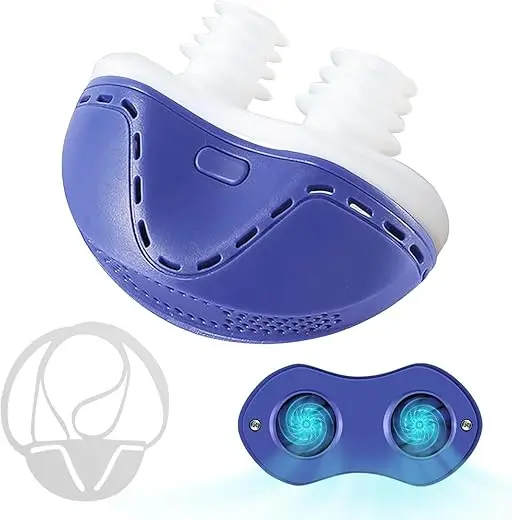
- Nasal EPAP devices
- Oral pressure therapy
Central Sleep Apnea (CSA): The Brain Signal Problem
What Is Central Sleep Apnea?
Unlike OSA, central sleep apnea occurs when your brain temporarily fails to send signals to the muscles that control breathing. There’s no physical blockage—your airway remains open—but your body simply doesn’t attempt to breathe. It’s like your respiratory control center going offline temporarily.
The Mechanics of CSA
During a central apnea event:
- Signal Failure: Brain’s respiratory centers stop sending breathing signals
- No Effort: No chest or diaphragm movement occurs
- Oxygen Drop: Blood oxygen decreases, CO2 increases
- Chemoreceptor Response: Body senses chemical imbalance
- Breathing Resumes: Often with deep breaths (hyperpnea)
Types of Central Sleep Apnea
1. Cheyne-Stokes Breathing
- Crescendo-decrescendo breathing pattern
- Common in heart failure (40-50% of patients)
- Periodic breathing with central apneas
2. High-Altitude CSA
- Occurs above 8,000 feet
- Usually temporary
- Affects 25% of climbers
3. Medication-Induced CSA
- Long-term opioid use
- Benzodiazepines
- Some heart medications
4. Idiopathic CSA
- No identifiable cause
- Rare form
- May have genetic component
CSA Risk Factors
Medical Conditions:
- Congestive heart failure (biggest risk factor)
- Atrial fibrillation
- Stroke or brain tumor
- Kidney failure
- Parkinson’s disease
Other Factors:
- Male gender (more pronounced than OSA)
- Age over 65
- Opioid medications
- High altitude residence
Unique CSA Symptoms
CSA presents differently from OSA:
- Minimal or no snoring
- Frequent awakenings with shortness of breath
- Insomnia more common than excessive sleepiness
- Observed pauses without breathing effort
- Anxiety about sleep
CSA Diagnosis
Sleep study findings specific to CSA:
- Central apneas >5 per hour
- Absent respiratory effort during events
- May show Cheyne-Stokes pattern
- Often lower AHI than OSA
- Different oxygen desaturation pattern
CSA Treatment Approaches
Primary Treatments:
- Adaptive Servo-Ventilation (ASV): Adjusts pressure breath-by-breath
- Bi-level PAP with backup rate: Ensures minimum breaths per minute
- Oxygen therapy: For altitude or heart failure-related CSA
- Medication adjustment: Reducing opioids if possible
Addressing Underlying Causes:
- Heart failure management
- Stroke rehabilitation
- Altitude acclimatization
- Medication changes
Note: Standard CPAP often ineffective or worsens CSA.
Complex Sleep Apnea Syndrome: When OSA Becomes CSA
What Is Complex Sleep Apnea?
Also called treatment-emergent central sleep apnea, this occurs when someone being treated for OSA with CPAP develops central apneas. It’s discovered in about 15% of patients during CPAP titration studies. Think of it as your brain’s breathing control getting confused by the CPAP pressure.
Development Pattern
- Initial OSA Diagnosis: Patient shows classic obstructive events
- CPAP Treatment Begins: Positive pressure eliminates obstructions
- Central Events Emerge: Brain struggles to regulate breathing with CPAP
- Mixed Pattern: Both central and obstructive events occur
Why Complex Sleep Apnea Develops
Several theories exist:
- CO2 Washout: CPAP lowers CO2 below threshold for breathing
- Unmasking: Central apneas were present but hidden by OSA
- Pressure Intolerance: Some patients’ systems can’t adapt to CPAP
- Loop Gain: Unstable respiratory control system
Identifying Complex Sleep Apnea
Key indicators:
- Good initial response to CPAP followed by return of symptoms
- Continued fatigue despite CPAP compliance
- CPAP data showing central events
- Feeling air-starved on CPAP
- Cheyne-Stokes breathing emerging with treatment
Complex Sleep Apnea Treatment
Specialized Devices:
- ASV (Adaptive Servo-Ventilation): Best option for most
- BiPAP-ST: Provides backup breaths
- IVAPS: Volume-assured pressure support
Treatment Strategy:
- Often resolves spontaneously in 2-3 months
- Lower CPAP pressures may help
- Position changes during sleep
- Avoid sedatives and alcohol
Comparing the Three Types: Key Differences
Breathing Patterns
OSA: Continued breathing effort against blocked airway CSA: No breathing effort, open airway Complex: Alternating patterns of both
Sound Differences
OSA: Loud snoring, gasping, choking CSA: Quiet, minimal snoring Complex: Variable, may change with treatment
Risk Profiles
OSA: Obesity, anatomy, lifestyle factors CSA: Heart conditions, neurological issues, medications Complex: Initially OSA profile, emerges with treatment
Treatment Response
OSA: Excellent CPAP response CSA: Requires specialized ventilation Complex: May need device changes over time
Why Correct Diagnosis Matters
Misdiagnosis can lead to:
- Ineffective treatment
- Worsening symptoms
- Unnecessary procedures
- Increased health risks
- Treatment abandonment
Example: Using standard CPAP for CSA can worsen central events and increase mortality risk in heart failure patients.
Getting the Right Diagnosis
Comprehensive Sleep Study
A diagnostic polysomnography should evaluate:
- Type of apnea events (obstructive vs central)
- Breathing effort measurements
- Sleep position effects
- Response to CPAP (if tested)
- Underlying heart rhythms
Important Questions for Your Doctor
- “What percentage of my events are obstructive versus central?”
- “Do I show any Cheyne-Stokes breathing?”
- “Are my central events position-dependent?”
- “Should I be screened for heart problems?”
- “Will I need a CPAP titration study?”
Second Opinions
Consider another evaluation if:
- Treatment isn’t improving symptoms
- You develop new symptoms on CPAP
- Your diagnosis seems unclear
- You have significant heart disease
Living with Your Diagnosis
OSA Management
- Focus on weight loss and lifestyle changes
- Regular CPAP equipment maintenance
- Annual follow-ups usually sufficient
- Monitor for cardiovascular risks
CSA Management
- Closer medical monitoring required
- Regular cardiac evaluations
- Medication reviews
- More frequent sleep studies
Complex Sleep Apnea Management
- Patience during adjustment period
- Frequent data downloads
- Close communication with sleep team
- Possible device changes
Future Directions
Research is advancing in all three types:
- OSA: Drug therapies targeting muscle tone
- CSA: Phrenic nerve stimulation
- Complex: Predictive algorithms for risk assessment
Conclusion
Understanding the differences between obstructive, central, and complex sleep apnea is crucial for effective treatment. While OSA remains most common and treatable with CPAP, CSA and complex sleep apnea require specialized approaches and closer monitoring.
If you’re diagnosed with sleep apnea, ensure your doctor clearly explains which type you have and why they’ve chosen your specific treatment. Don’t hesitate to ask questions or seek clarification—your treatment success depends on addressing the right type of sleep apnea with the right approach.
Remember: All types of sleep apnea are serious but treatable. With proper diagnosis and targeted treatment, patients with any type can achieve restful sleep and improved health.
This information is educational. Work with qualified sleep specialists for accurate diagnosis and personalized treatment plans.