
Understanding Sleep Apnea and the Role of Pillows
Sleep apnea is a common yet serious disorder that affects millions of people worldwide. Characterized by repeated interruptions in breathing during sleep, it can lead to a range of health issues if left untreated. Using a specialized pillow designed for sleep apnea can significantly alleviate symptoms and improve sleep quality.
In this article, we will explore the symptoms and risks associated with sleep apnea, providing important insights into how it affects daily life. We will then discuss how sleep apnea pillows work, highlight different types available on the market, and guide you in choosing the right one for your needs. Finally, we will offer additional strategies for managing sleep apnea to enhance your overall well-being. Let’s dive in and discover how a simple pillow can make a significant difference in your sleep experience!



What is Sleep Apnea?
Sleep apnea is a sleep disorder characterized by recurrent pauses in breathing or shallow breaths during sleep. These interruptions can last a few seconds to minutes and may occur dozens or even hundreds of times each night, severely disrupting sleep quality.
Types of Sleep Apnea
There are three primary types of sleep apnea:
Impact on Health
Sleep apnea can significantly impair overall health. It leads to fragmented sleep, resulting in daytime fatigue, irritability, and impaired cognitive function. Additionally, if untreated, sleep apnea increases the risk of serious conditions like hypertension, heart disease, stroke, and diabetes.
Understanding the intricacies of sleep apnea is crucial as we move into the symptoms and risks associated with this condition, illuminating how impactful it truly can be.
Symptoms and Risks of Sleep Apnea
Sleep apnea often manifests through various symptoms, which can significantly disrupt daily life. One of the hallmark signs is loud snoring, typically associated with obstructive sleep apnea. This snoring can often be so loud that it disturbs bed partners, leading to strained relationships. As the night progresses, individuals may experience gasping or choking breaths, indicating breathing interruptions that occur during sleep.
Key Symptoms
Associated Risks
The risks of untreated sleep apnea extend beyond mere inconvenience. Studies indicate that it is linked to severe health issues, including:
Proper awareness of these symptoms and risks underscores the necessity for prompt intervention and management strategies. This brings us to the innovative solutions available, such as specialized pillows designed specifically to assist with sleep apnea management.
How Sleep Apnea Pillows Work
Sleep apnea pillows are ingeniously designed to support a healthier sleeping posture, thereby facilitating unobstructed airways for those affected by this condition. Their unique contours and shapes encourage side sleeping, the preferred position to minimize the risk of airway blockage.
Customizable Design Features
- Elevated Support: Many sleep apnea pillows feature an elevated design, which aids in keeping the head and neck properly aligned. This elevation helps reduce the risk of airway obstruction caused by gravity.
- Contours for Comfort: Contoured designs cradle the head while promoting cervical spine alignment. This comfort is crucial for individuals who suffer from neck pain or stiffness, further reducing disturbances during sleep.
- Wide Base: A broader base provides stability, ensuring the pillow does not easily shift during sleep. This stability is essential for those who move around in their sleep, as it keeps the support aligned with the body.
How They Help Maintain Open Airways
By promoting optimal head and neck alignment, these pillows minimize the chances of the throat’s soft tissues collapsing into the airway. For example, one study found that utilizing a specialized sleep apnea pillow resulted in a noticeable decrease in the frequency of apnea events among participants, highlighting their effectiveness.
Additional Considerations
While the design elements of sleep apnea pillows significantly contribute to effective management, it’s also important to consider overall sleep hygiene—such as maintaining a consistent sleep schedule and avoiding alcohol before bed.
With a better understanding of how sleep apnea pillows work, we will next explore the various types available, aiding in making an informed choice that meets individual needs.
Types of Sleep Apnea Pillows
Selecting the right sleep apnea pillow can greatly influence your overall comfort and breathing during sleep. The market offers several distinct types of pillows, each designed to cater to unique preferences and needs.
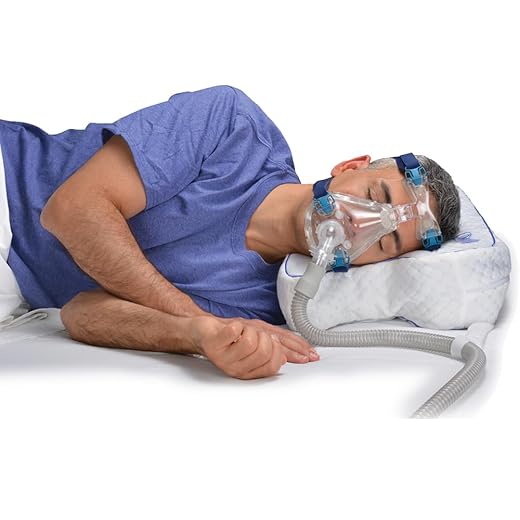
Contour Pillows
These pillows are ergonomically shaped to provide support and cushioning to the head and neck. Their design helps to maintain spinal alignment and can be particularly beneficial for side sleepers. Contour pillows often have a dip in the middle which allows for better neck support, helping to keep the airway unobstructed.
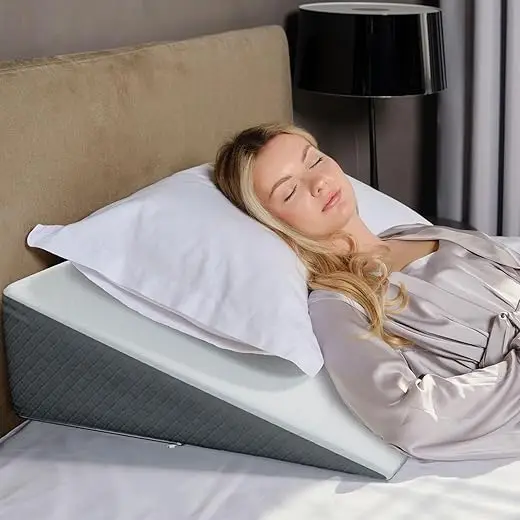
Wedge Pillows
Wedge pillows elevate the upper body, reducing pressure on the throat and promoting easier breathing. This incline can be especially helpful for those dealing with gastroesophageal reflux (GERD) alongside sleep apnea. The slope of a wedge pillow can vary, so it’s wise to choose one that feels comfortable.
Adjustable Pillows
These versatile pillows allow for customization based on the user’s preferred height and firmness. Many take on unique shapes that accommodate different sleep positions and can be filled with materials such as memory foam or microbeads for a personalized feel. Adjustable pillows cater to a wider range of sleepers, ensuring optimal comfort and support.
By knowing the distinctions among these types of sleep apnea pillows, individuals can select the right one to enhance their nighttime experience. The next section will provide valuable guidance on making the most informed decision when choosing a sleep apnea pillow tailored to your unique needs.
Choosing the Right Sleep Apnea Pillow
Selecting the appropriate sleep apnea pillow is a crucial step towards improving your sleep quality. Here are some key factors to consider when making your choice:
Firmness and Support
A pillow’s firmness can significantly affect your sleep quality. Generally, a medium-firm pillow is recommended to keep the head and neck aligned without being too soft. This firmness helps prevent neck strain while promoting an open airway, essential for those with sleep apnea.
Material Matters
The material of the pillow can also impact comfort. Memory foam is a popular choice as it conforms to the head and neck’s contours, providing excellent support. Alternatively, breathable materials can help regulate temperature, preventing overheating during the night.
Height Considerations
Pillow height is vital for maintaining proper spinal alignment. A pillow that is too high or too low may lead to discomfort and exacerbate sleep apnea symptoms. It’s beneficial to try several heights to find one that keeps your airway clear while providing adequate neck support.
Personal Comfort Preferences
Ultimately, personal comfort cannot be underestimated. Some individuals may prefer the softness of a plush pillow, while others may find greater relief with a firmer surface. It’s advisable to test different pillows before committing, ensuring they fit your sleeping style and offer the necessary support.
By carefully weighing these factors, you can make a more informed choice in your pursuit of better sleep. In the following section, we will explore additional strategies that complement the use of sleep apnea pillows and enhance overall management of this condition.
Additional Strategies for Managing Sleep Apnea
While sleep apnea pillows are a fantastic tool for improving sleep quality, they should be part of a comprehensive strategy for managing the condition. Here are several complementary methods that can enhance your overall treatment plan.
Lifestyle Changes
- Weight Management: Excess weight is often linked to sleep apnea. Even a modest weight loss can alleviate symptoms, as it may reduce the pressure on your airway.
- Sleep Position: Encouraging side sleeping, as promoted by many sleep apnea pillows, can significantly help. This position keeps the airway open and reduces the likelihood of obstruction.
- Avoiding Alcohol & Sedatives: Both substances relax the throat muscles, increasing the risk of airway collapse. Limiting intake, especially before bedtime, is crucial.
CPAP Therapy
Continuous Positive Airway Pressure (CPAP) therapy is a common and effective treatment for moderate to severe sleep apnea. A CPAP machine delivers a constant stream of air, keeping your airway open during sleep. Regular maintenance of your equipment is essential; consider using products like the Resplabs CPAP Mask Wipes for Hygiene to ensure your mask is clean and effective.

Other Sleeping Aids
In addition to specialized pillows, certain aids can further help:
By incorporating these strategies alongside the use of sleep apnea pillows, individuals can optimize their sleep quality and overall well-being.
With a holistic approach to treatment, sleep apnea management can become more effective and accessible, paving the way for improved health and restful nights.
Now, let’s discuss the vital role that sleep apnea pillows play in the broader context of treatment.
The Importance of Sleep Apnea Pillows in Treatment
Incorporating a sleep apnea pillow into your treatment plan can significantly enhance both comfort and quality of sleep. By promoting proper alignment and supporting breathing patterns, these specialized pillows help reduce the frequency and severity of apnea episodes. They are not merely an accessory; they are a vital tool for many individuals struggling with sleep apnea.
While a sleep apnea pillow is an important component, it is essential to approach treatment holistically. Combine it with lifestyle changes, CPAP therapy, or medical guidance for optimal results. If you suspect you have sleep apnea or are currently experiencing symptoms, consult a healthcare provider to explore the best strategies for your situation. Prioritizing your sleep can lead to a healthier, more energized life. Don’t underestimate the power of a good night’s sleep!
I’m still on the fence about all these pillows. They sound great, but it’s hard to commit to buying one. Any tips on what to consider?
Excellent advice, Sara! Personal comfort and specific needs are key factors.
Definitely look at your sleeping position and any neck pain issues. That helps narrow down your choices.
The symptoms of sleep apnea are no joke! I used to wake up feeling like I was hit by a truck. 😩 I’m looking into these pillows, but also considering lifestyle changes. Any advice?
Right? It’s like a whole package deal. I started walking more and that helped me a lot!
Definitely consider both! Pillows can help, but diet and exercise also play a huge role in managing sleep apnea.
I just need more info on how exactly these pillows work! Like, do they really help with the apnea or just comfort? 🤷♀️
Great question, Natalie! They help by supporting proper alignment of your neck and head, which can help keep airways clear.
Exactly! They’re designed to reduce obstruction and improve airflow while you sleep.
Okay, can we talk about how hard it is to find the right pillow? I tried the Cervical Neck Pain Relief one, but it just wasn’t for me. Any suggestions?
I hear you! Pillows are so personal. Maybe try the Sleep Doctor Approved one? I’ve heard good things about it.
Finding the right pillow can definitely be a challenge, Katherine! Don’t hesitate to experiment until you find the right fit.
I’m really curious about the Resplabs CPAP Mask Wipes. Are they really worth it? Don’t want to waste my money!
They are! Keeps the mask fresh and clean, which honestly helps with comfort. Totally worth it.
Great question, Tina! Regular cleaning can really enhance your CPAP experience.
Sleep apnea pillows are kind of underrated, right? I mean, they can totally change your sleep game. Why doesn’t everyone talk about them? 😂
Totally agree! People focus too much on machines and forget about the basics like pillows.
Great point, Sophie! Pillows play a crucial role that often gets overlooked.
I had no idea that pillows could actually help with sleep apnea! I always thought it was just about the CPAP machine. 🤔 Anyone tried the Kolbs Bed Wedge Pillow?
Yeah, I have! It’s pretty comfy and did make a difference for me. Worth trying! 👍
Glad to hear it helped, Mike! The wedge shape can really open up airways.
I’ve been using the Contour CPAPMax Pillow for a few months now, and it’s a game-changer! 😴 Super comfy for side sleepers like me. Has anyone else had good experiences with it?
Same here! I love how it cradles my neck. Finally, some real sleep! 😍
That’s awesome, Chris! Side sleepers often find that pillow works best.
Just got my Kolbs Wedge Pillow and wow, what a difference! I feel like I can finally breathe at night! 😃 Anyone else notice this?
That’s awesome, James! I’m thinking of getting one too. How long did it take to adjust?
Glad you’re enjoying it, James! Adjustment can vary, but many find it comfortable right away.
So, I’m a bit skeptical about these ‘miracle’ pillows. Can they really replace a CPAP machine?
They can’t replace a CPAP, but they can complement it! Many find they need both for the best results.
Yeah, totally! It’s about managing symptoms in multiple ways.
I’ve read that some pillows can actually make sleep apnea worse? Is that true? What should I watch out for?
Good point! Always check reviews about the pillow’s effectiveness for apnea.
Yes, certain pillows might not provide the right support, leading to more obstruction. Look for ones designed specifically for sleep apnea.